Explore the stack.
A unified space for demos across the stack: interactive applications, the engine's own runs, and hardware on the bench.
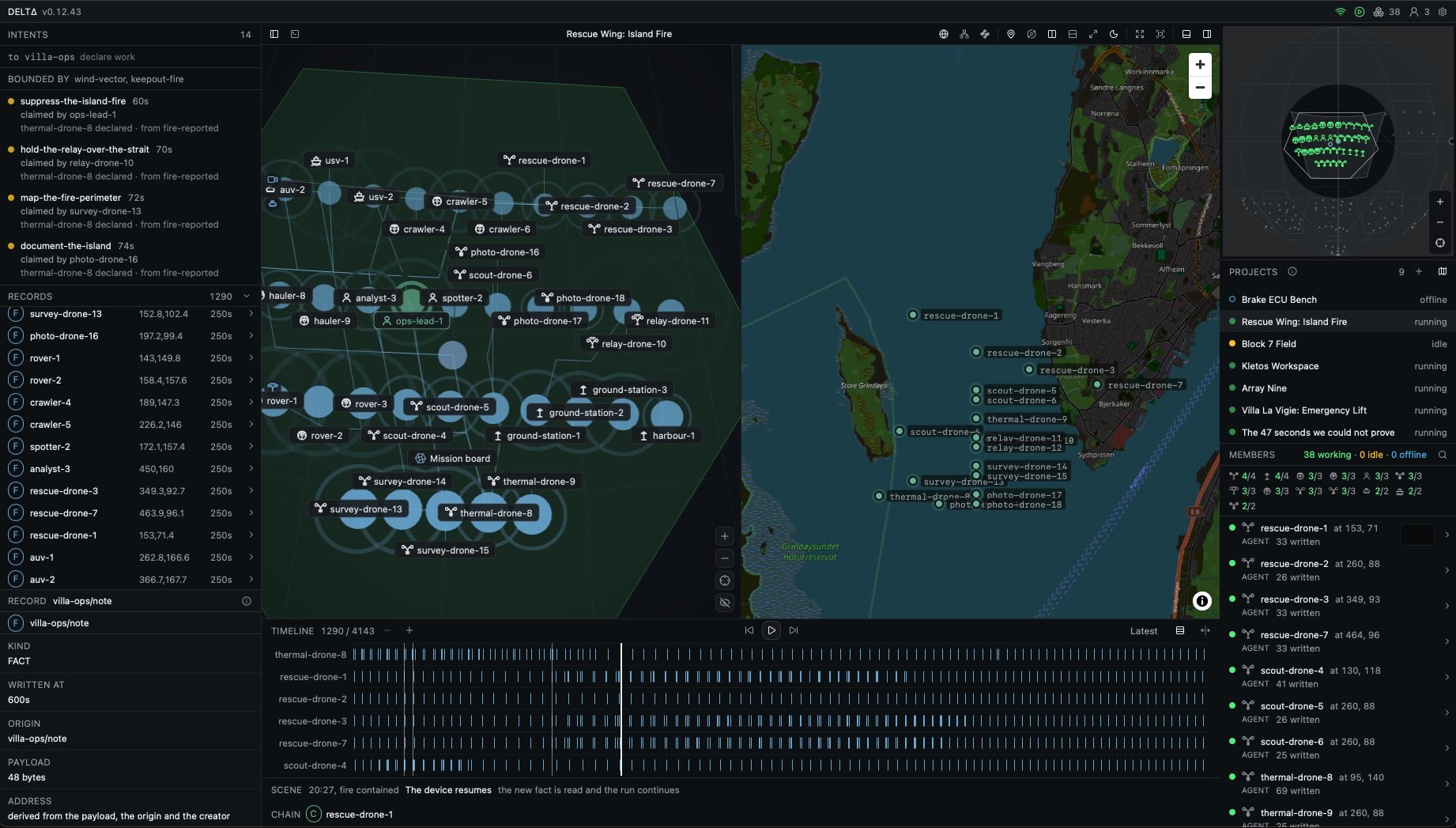 Fleet operationsThe cockpit for a working fleet: intents and records on the left, the cell in the middle, the ground on the right, the timeline below. Ten scenes, opening on a factory cell in Penang. Read-only, on mock data.Open the demonstration
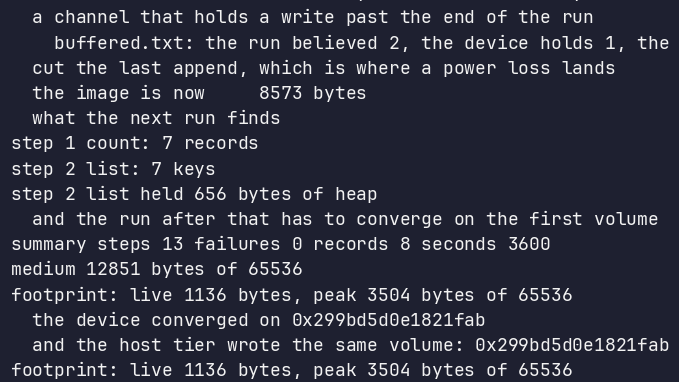 Headless runsMost of what we build is infrastructure, with no front end to open. The demonstration is the execution itself, recorded in a terminal: a device and the host writing the same bytes, a power cut at every byte, and one C surface on two architectures.Open
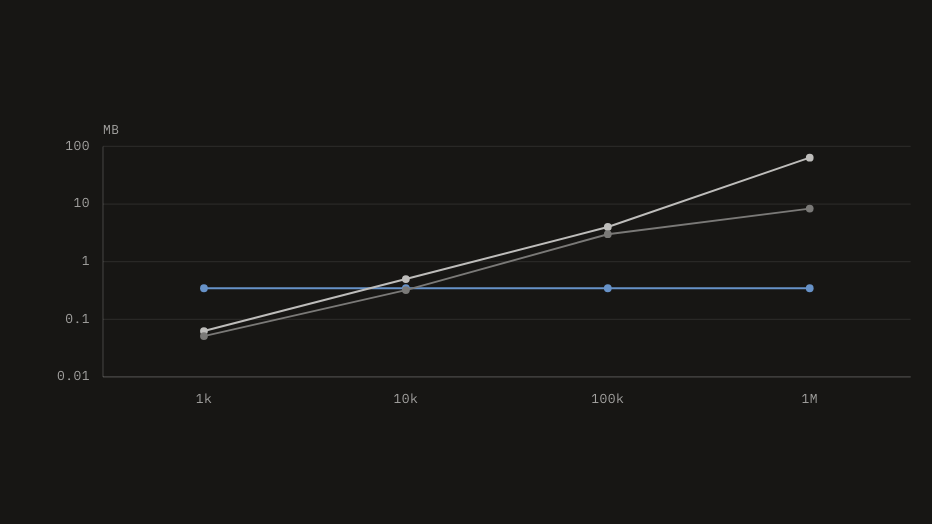 MeasurementsThree stores over one workload, from a thousand records to a million: bytes on the medium, the volume, the open, a point read, and the index each one has to hold.Open
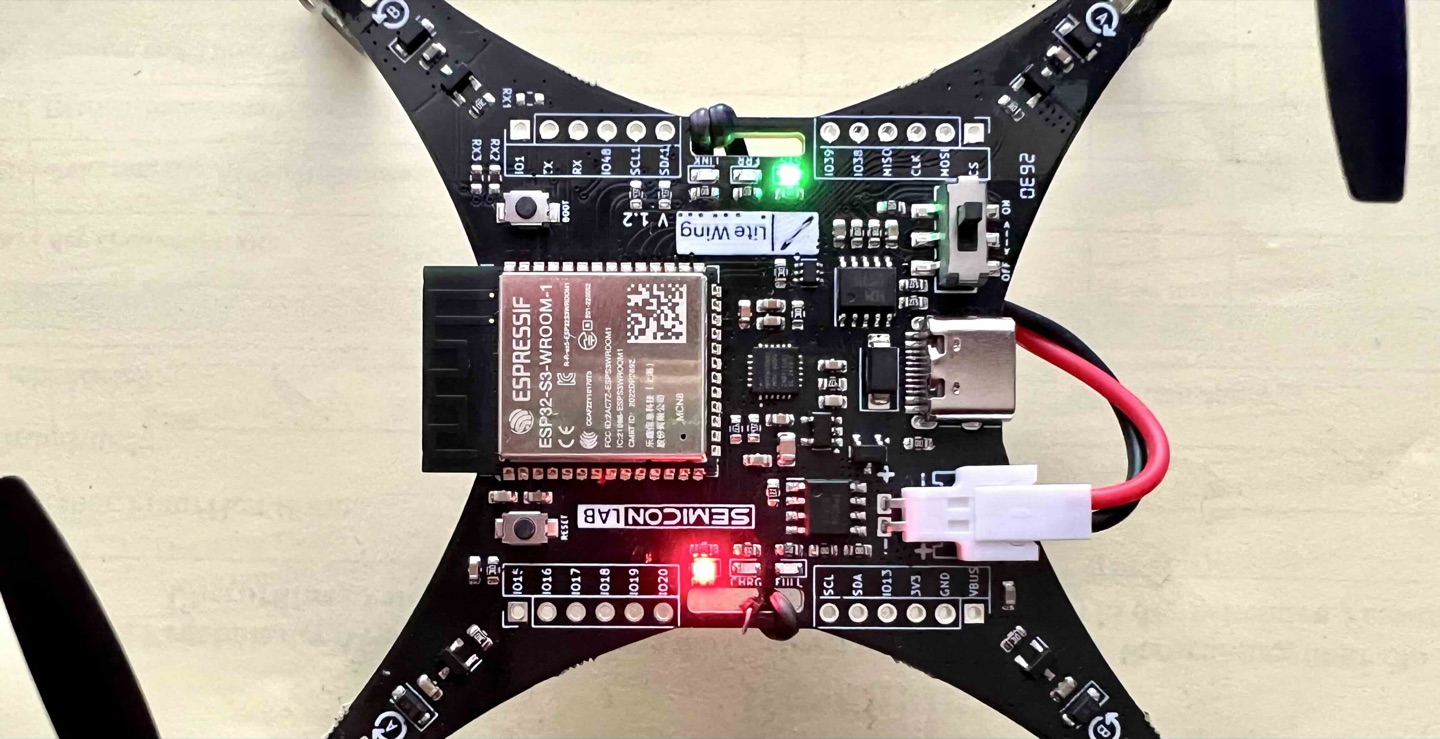 One node, any scaleThe smallest host in the claim: an ESP32-S3 with no operating system, 8 MB of flash and 64 kB of working memory, writing a record that survives a reset. The same build runs on every host above it, and a deployment can be a field of these nodes.Open
- coming soonTwo nodes, one addressTwo ESP32-S3 modules with nothing passing between them, each handed the same fields. The address is computed from the fields, so the two arrive at the same coordinate without a conversation, and each board prints the one it reached.
- coming soonThe address in gatesThe tagma stack's addressing as RTL on an iCESugar-Pro: a decoder and a datapath in fabric that produce the coordinate over its valid states, instead of arithmetic on a core. Synthesis returns the cell count, which is where a stack becomes a part.
- coming soonA robot that answers for its walkA SpiderPi Pro, a Raspberry Pi 5 with eight gigabytes, as the room a device answers in. The bridge the runtime calls already passes the device check; the three sensor calls, the Pi's own run and the reach from a phone are what this bay waits on.